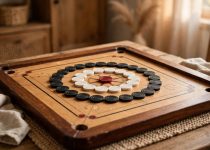
Carrom Striking Techniques: Grip, Aim and the Basic Shots11 min read
Beginners usually blame the board when coins keep missing the pockets. Watch a strong player for five minutes and the truth shows up: the difference is in the hand, not the board. Clean carrom striking techniques turn the same striker and coins into completely different results.
Every good shot is built from four parts, in order: a stable grip, a sighted aim, a flick that is struck rather than pushed, and power matched to the distance.
Get those four right and the named shots stop being tricks and start being habits.
This guide walks through each part in order, then puts the five basic shots in one table. If you are still learning the rules and setup, our guide on how to play carrom covers the basics these techniques assume.
Our top picks, compared:
Carrom Striking Techniques: The Four Parts of Every Shot
Think of a shot as a short routine, not a single flick. First you settle your hand and grip. Then you sight the line from striker to coin to pocket. Then you strike with a clean flick. Finally, your power choice either fits the shot or ruins it. Most missed coins fail at step one or two, long before the flick: a wandering grip sends the striker off line, and a rushed aim points that error at the wrong pocket. Slow the routine down and accuracy arrives fast.
The Carrom Striker Grip: Three Grips That Work
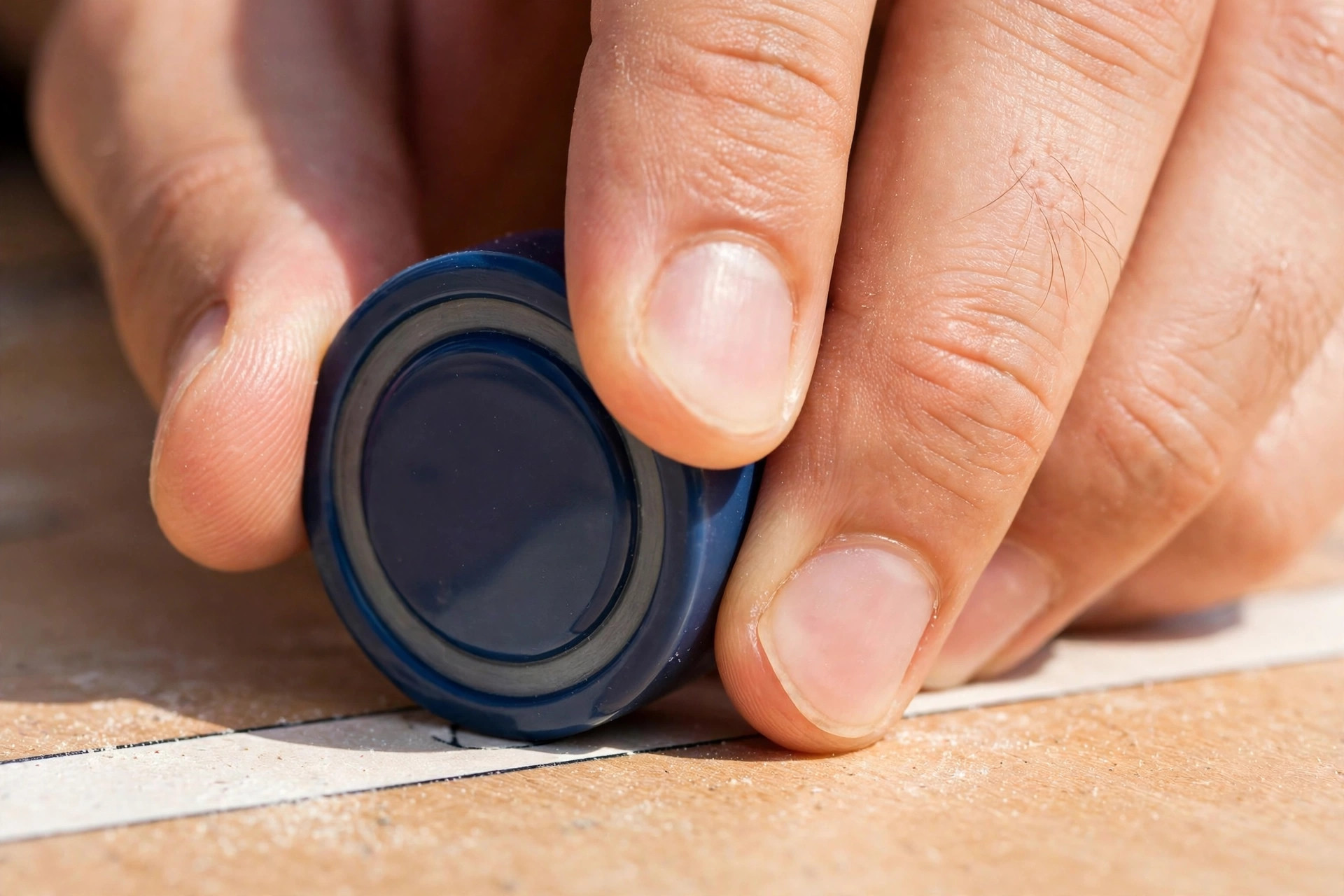
A good carrom striker grip does one job: it lets the finger strike the striker cleanly and get out of the way. Your hand rests lightly on the board, stable but not stiff, and only the striking finger moves.
The index finger flick is the standard grip and the one to learn first. Curl your index finger behind the striker, brace your hand with the middle finger and thumb resting on the board, then release the index finger so it snaps forward into the striker. It is accurate and legal everywhere.
The middle finger flick swaps the roles, striking with the middle finger while the index finger braces. Some players find it stronger for long shots. Either grip works; what matters is that one finger strikes and the rest of the hand stays still.
The scissor grip locks the striker between index and middle fingers for very soft shots, trading power for control.
How to Aim in Carrom: Sight Lines and the Ghost Point
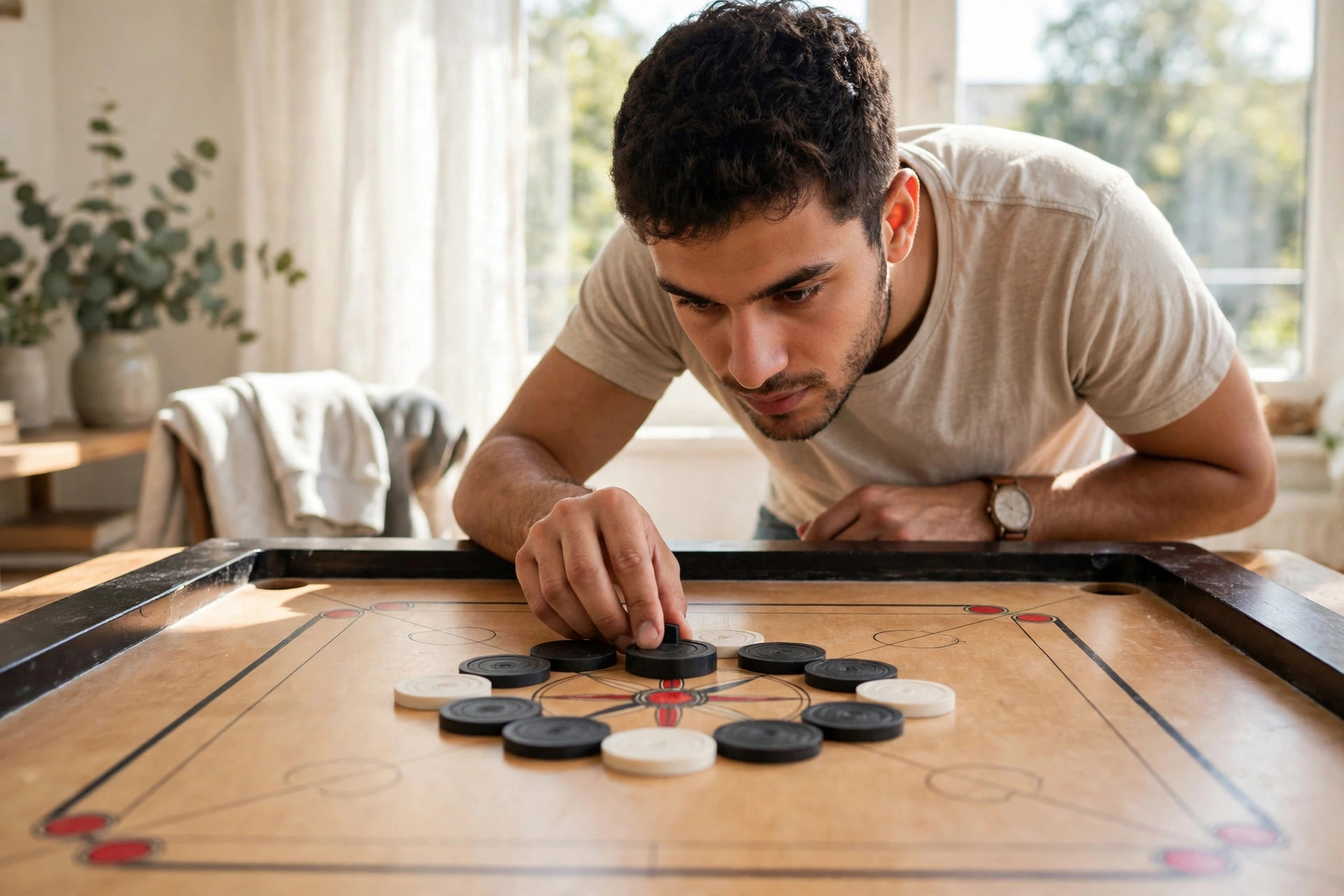
Knowing how to aim in carrom matters more than raw power: the striker sends the coin along the line from its centre through the exact point where the two pieces touch. Work backwards from the pocket. Draw an imaginary line from the pocket through the centre of your target coin and extend it behind the coin. The point where that line exits the back of the coin is your ghost point, and the striker’s centre needs to arrive exactly there. Now sight from the striker to that ghost point, not to the coin itself. Players who aim at the coin watch it stop dead or squirt sideways; players who aim at the ghost point watch coins drop. Lower your head, sight along the line like a rifle, and check the line twice before you flick.
Power Control: Flick, Do Not Push
The striker must be struck, not pushed. A flick is a snap: the finger loads, releases, and stops. A push drags the finger through the shot, which adds sideways wobble and is a foul under tournament rules.
Match power to distance in three rough gears. Soft shots, for coins close to a pocket or delicate cuts, use a short, gentle flick. Medium shots, the everyday gear, carry the striker across half the board with control. Power shots, for the break and long rebounds, use a full snap with your hand braced firmly.
A smooth, fast board changes these gears. The boards in our roundup of the best carrom boards are chosen for the flat, even finish that makes power predictable.
The Five Basic Shots, Compared
Here are the five shots that cover almost every position you will face; the sections below break each one down.
| Shot | When to Use It | Key Technique |
|---|---|---|
| Straight shot | Your coin sits on a clean line between the striker and a pocket | Aim the striker’s centre through the ghost point so the coin travels straight into the pocket |
| Cut shot | The coin is off the direct line and must be clipped at an angle | Strike the coin off-centre so it leaves at an angle; fine cuts need a softer, more precise flick |
| Rebound shot | A cushion or another coin blocks the direct path to the pocket | Play the striker off the frame first, using the bounce angle so it meets the coin on the rebound |
| Double shot | Two of your coins sit close together near a pocket | Hit the first coin into the second so the second drops; judge the chain by the last coin, not the first |
| Thumb shot | A coin sits behind your baseline, too close to reach with a normal flick | Flick backwards with the thumb, sending the striker off your own cushion and back into the coin |
The Straight Shot
This is the foundation shot; practise it first. Place the striker, sight the pocket line through the coin, and flick at medium power. If the coin stops short, you aimed at the coin instead of the ghost point behind it. If it rattles out, your power was one notch too high.
The Carrom Cut Shot
The carrom cut shot sends a coin sideways off the striker’s path. The thicker the contact, the straighter the coin travels; the finer the contact, the sharper the angle and the slower the coin moves. Fine cuts are where games are won, because they reach coins that look safe. Practise them softly: a hard flick magnifies every error.
The Carrom Rebound Shot
When the direct line is blocked, the frame becomes your second striker. A carrom rebound shot plays the striker off a cushion so it arrives at the coin from a new angle. Angles in equal angles out, so picture the bounce point on the frame first, then sight your line to that point instead of to the coin.
The Double Shot
A double uses one of your coins as a messenger. Strike the nearer coin so it knocks the farther one into the pocket. Aim the whole chain by the last coin: work out where the second coin must be struck, then where the first must be struck to deliver it. Doubles are really just two straight shots planned at once.
The Thumb Shot
Coins behind your baseline cannot be reached by a forward flick, so the thumb shot fires the striker backwards. Rest your hand, place your thumb behind the striker, and flick it toward your own cushion; the rebound carries it forward into the coin.
Common Striking Mistakes and How to Fix Them
- Pushing the striker: if your finger follows through across the board, you are pushing; shorten the motion until the finger stops the instant the striker leaves.
- Moving the whole hand: plant the hand, strike with one finger, and lift the hand only after the striker is gone.
- Aiming at the coin: the most common error in the game; aim at the ghost point behind the coin and watch straight shots start dropping.
- One power for everything: every shot at full power turns fine cuts into scatter; build the three gears and choose one before you settle your grip.
A 15-Minute Practice Routine
Short, focused practice beats an hour of casual games. Set ten coins in a loose line across the centre and take straight shots at alternating pockets for five minutes. Spend five minutes on cuts, moving one coin progressively further off the line. Finish with five minutes of rebounds off one cushion. Track one number: coins pocketed out of twenty attempts. When that number climbs, your carrom striking techniques are becoming habits, not instructions. Repeat it twice a week and most home players feel the difference within a month. When you are ready to test those skills against better opponents, the tournament-grade boards in our guide to the best carrom boards give you the same surface the competitive game is played on.
Frequently Asked Questions
What is the best grip for carrom striking techniques?
The index finger flick is the best starting grip. Curl the index finger behind the striker, brace the hand with the thumb and middle finger resting on the board, and release so the finger snaps into the striker. It is accurate, repeatable, and legal under every rule set.
How do you aim in carrom so coins go straight?
Work backwards from the pocket. Extend the line from the pocket through the centre of your coin and find the ghost point where it exits the back of the coin, then aim the striker’s centre there. Aiming at the coin itself is the most common reason straight shots stop dead.
What is a cut shot in carrom?
A carrom cut shot clips the coin off-centre so it leaves at an angle instead of travelling straight. Thick contact sends the coin straighter, fine contact sends it sharper and slower. Cuts reach coins that sit off the direct line to a pocket, and they reward a softer, more precise flick.
How does a rebound shot work in carrom?
A carrom rebound shot plays the striker off the frame to reach a coin blocked from a direct line. Because the bounce angle off the cushion roughly equals the arrival angle, sight your line to the bounce point on the frame first, then let the rebound carry the striker home.
Is pushing the striker allowed in carrom?
No. The striker must be flicked, not pushed, and a dragging push is a foul under tournament rules. A clean flick snaps the finger into the striker and stops, which also happens to be more accurate, because a push adds sideways wobble that pushes coins off the pocket line.
Final Thoughts
Carrom striking techniques are not secrets. They are a short routine done the same way every time: settle the grip, sight the ghost point, flick without pushing, and pick your power gear. Master the straight shot first, add the cut and the rebound, and keep the thumb shot for the coins hiding behind you. The pockets will start to feel much bigger than they look.

Carrom Board Maintenance: Powder, Polishing, Warping and Storage
Carrom Terms Glossary: 25 Words Every New Player Hears