Beach Bocce Rules and Tips for Playing on Sand8 min read
Beach bocce is bocce with the brakes on. The first time you roll a ball on sand and it stops dead after six feet, little furrow and all, you understand: the beach rewrites the game.
Beach bocce still uses the same balls, the same pallino and the same closest-ball scoring, but the surface changes every single throw.
This guide covers the adapted rules most groups play by, how to rake out a lane that plays fair, and the wet sand, dry sand, wind and tide tricks that keep a beach game fun instead of frustrating.
Shopping for a set first? Our roundup of the best bocce ball sets includes durable resin sets that handle sand and salt well.
Our top picks, compared:
What Changes When Bocce Moves to the Sand
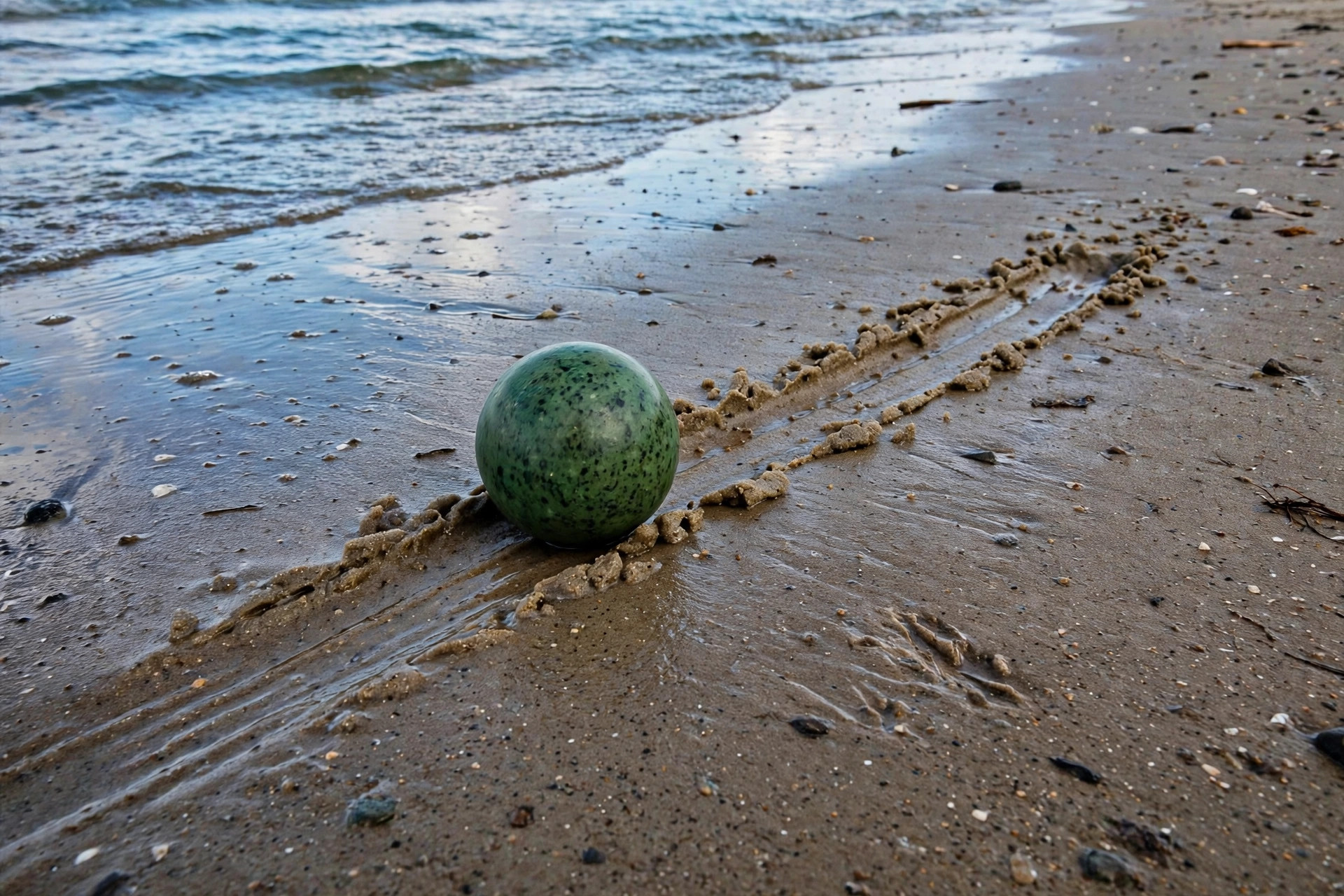
Balls plow instead of rolling: on sand a ball lands, digs in and stops, often within a few feet, and roll-out nearly disappears.
The game moves into the air: beach bocce is a tossing game, lobbing the ball so it lands close to the pallino.
Hitting shots change: a ground raffa dies in the sand; the power shot is the volo, an aerial toss that lands on or beside the target ball.
Distances shrink: a 76-foot regulation court is unplayable on sand.
Setting Up Your Beach Bocce Court
Pick flat sand, above the high-tide line, away from swimming areas and lifeguard paths.
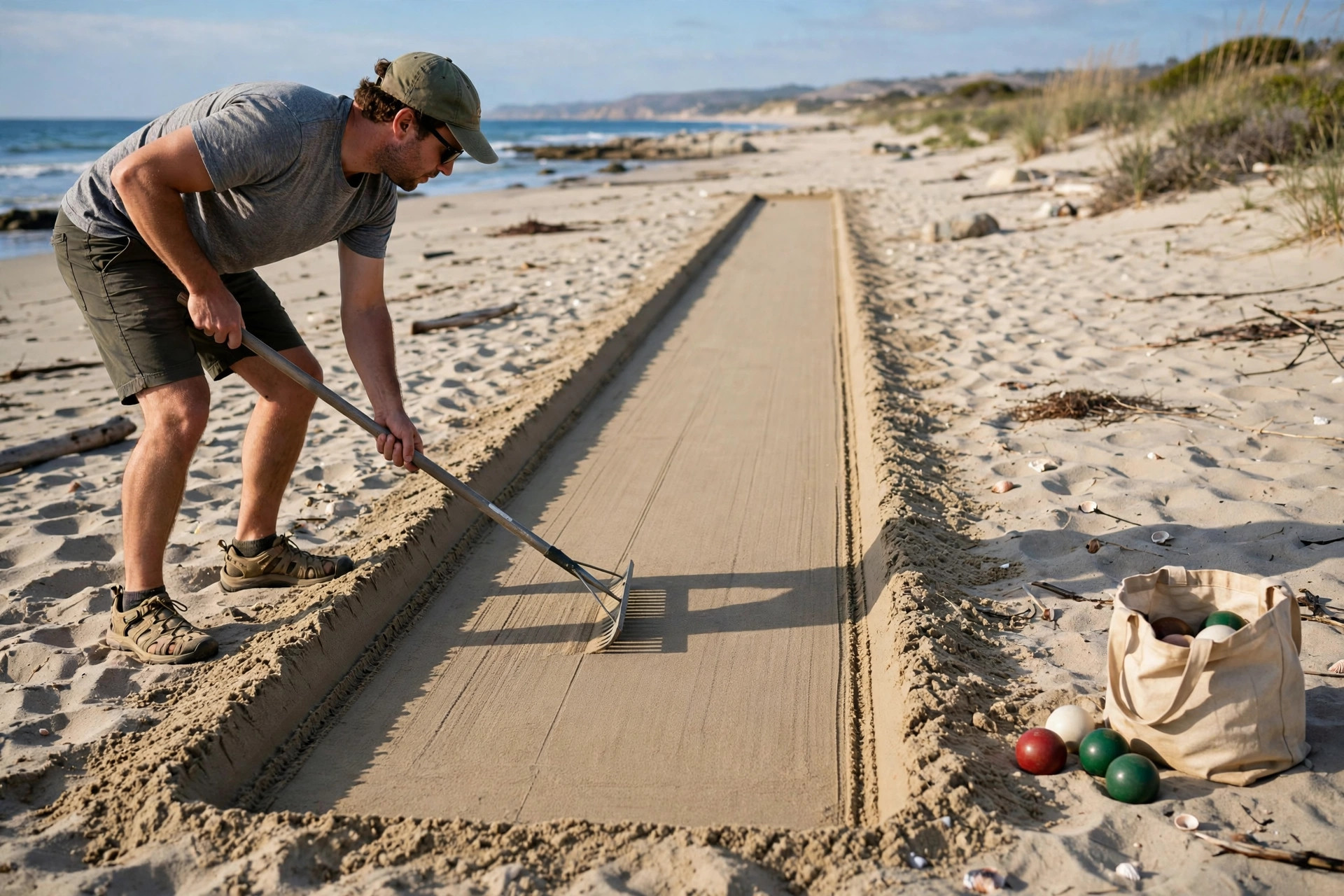
- Mark the length: 30 to 40 feet for adults, 20 to 25 for kids or very soft sand.
- Smooth the lane: rake or foot-drag a lane about 8 to 10 feet wide, filling footprints and leveling humps.
- Draw the boundaries: scratch side lines with a heel or stick, mark each end with a throwing line, towels or sandals at the corners.
- Set the throwing lines a few feet closer than on a court, because every throw loses distance to the plow effect.
Fairness tip: re-smooth between games, not during one. If you also play on groomed surfaces, our bocce court surface guide compares how sand stacks up against grass, clay and oyster shell.
Beach Bocce Rules: What Changes and What Stays the Same
- the pallino starts every frame and the scoring team throws it next;
- players alternate throws and the team that is not closest keeps throwing;
- scoring is unchanged, one point per ball closer than the opponent’s best, games usually to 12.
Shorter court, closer line (20 to 40 feet).
Balls play as they lie, furrows and all, no lifting or smoothing.
Out of the lane is out: a ball leaving the side lines entirely is dead for that frame.
The wave rule: if water reaches a ball mid-frame, re-spot it at the nearest dry point level with where it stopped.
New to the base game? Our guide on how to play bocce ball covers standard rules and scoring.
Wet Sand vs Dry Sand: Two Different Games
Dry Sand: The Plow Zone
Loose, dry sand is the softest surface in bocce. Balls land and stop almost where they touch down, so the game becomes pure aerial accuracy. Throw with more arc, aim to land within a foot or two of the pallino, and expect almost no friendly roll. Lighter balls dig in less.
Wet Sand: The Fast Lane
Packed wet sand near the waterline plays almost like a court: balls skip once and roll a few real feet, bringing lag shots and gentle hitting shots back. Trade-offs: a firmer landing can bounce a ball sideways, and the returning tide is a built-in deadline. Play wet sand on a falling tide.
Bocce on Sand Tips: Wind, Tides and Crowds
Tides: check tide times, build above the high-tide line unless you want the wet-sand game on a falling tide.
Wind: keep tosses lower and firmer into a crosswind; light balls drift more; on very windy days shorten the court.
Crowds and etiquette: set up parallel to the water, call a warning before a hard toss, never throw while someone is in the lane, and fill in your furrows when you pack up.
Choosing the Best Bocce Set for the Beach
Look for:
- solid, waterproof construction (resin or solid plastic; skip water-filled and unfinished wood);
- bright colors for visibility in glare;
- lighter weights, which plow less on dry sand;
- a mesh or open-weave carry bag so sand falls out.
Our roundup of the best bocce ball sets includes durable resin sets that handle sand, salt and backyard grass equally well.
Cleanup and Care After a Beach Day
Shake and brush each ball off at the beach, rinse the set with fresh water at home to clear the salt, and dry the balls fully before bagging them, because a sealed bag of damp, salty balls grows mildew. Store out of direct sun. Then smooth your lane and leave the sand as you found it.
Frequently Asked Questions
How to play bocce on the beach?
Rake a smooth lane 30 to 40 feet long, mark throwing lines at each end, then play standard bocce with shorter throws: toss the pallino, alternate lobbing balls so they land close to it, and score one point per ball closer than your opponent’s best, usually to 12. Balls play as they lie, furrows and all.
Can you play bocce on sand with a regular set?
Yes. Any standard set works on sand, and solid resin balls handle it best. The game plays differently, with balls stopping fast instead of rolling out, so shorten the court and throw with more arc. Avoid water-filled sets, and rinse salt and sand off after the game.
Does wet sand or dry sand play better for bocce?
They play differently rather than better. Packed wet sand is firmer, so balls skip and roll a few feet and the game feels closer to court bocce. Loose dry sand stops balls almost where they land, turning the game into pure tossing accuracy. Most groups prefer wet sand on a falling tide.
How long should a beach bocce court be?
About 30 to 40 feet for adults on typical sand, and 20 to 25 feet for kids or very soft, dry sand. A regulation 76-foot court does not work on the beach, because balls plow to a stop instead of rolling.
What happens if a wave hits the court during a game?
Agree on a wave rule before you start. The common fix is to re-spot any moved ball at the nearest dry point level with where it stopped, and play on. If the tide is taking the court, call the frame, move the lane higher, and re-rake.
Final Thoughts
Beach bocce rewards the player who adapts fastest: shorten the court, throw it in the air, read the tide, and let the sand be part of the game instead of fighting it. Keep the scoring honest, the lane smooth and the set rinsed.

Ultimate Reference Guide to Bocce Ball FAQs

What is the Official Bocce Ball Court Size?