Spikeball Defense Positioning: Where to Stand on Every Serve9 min read
Most beginners lose points before the serve is even hit. They stand too close, too far back, or right next to their partner, and the ball goes exactly where they are not. Good spikeball defense positioning is not about being fast. It is about starting in the right spot, so a normal step gets you to the ball instead of a desperate dive.
In this guide, we cover where to stand in spikeball defense on every serve type, how partners split the net, and how to adjust as the rally goes on.
If you are still learning the basics, start with our Spikeball rules and how to play guide first, then come back here.
Our top picks, compared:
The Basic Spikeball Defense Positioning Setup
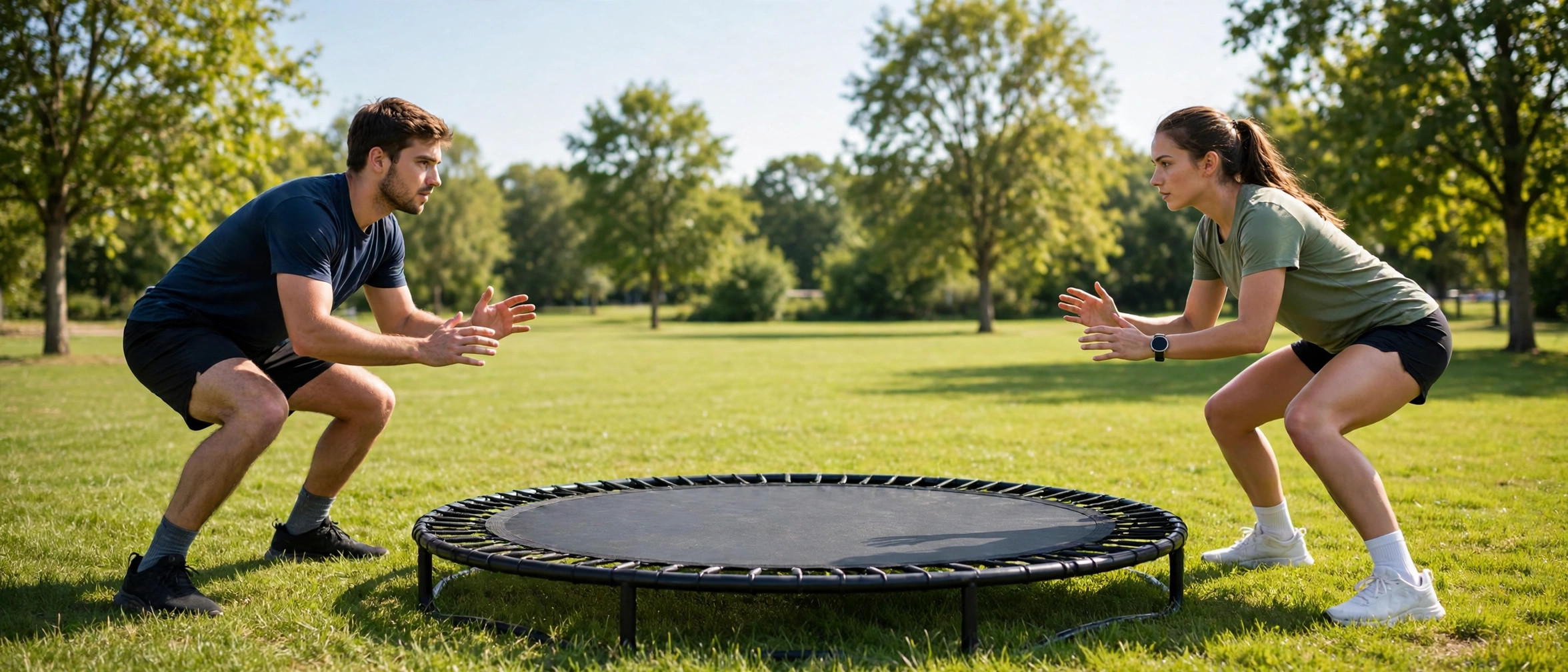
Start with a simple home base. You and your partner stand on opposite sides of your half, about an arm’s length plus one step away from the net. Your knees should be bent, your weight forward, and your hands up in front of you. You want to be ready to move in any direction, not leaning back on your heels. From this spot, one partner takes the short ball and the other covers deep. Decide that before the serve, not while the ball is in the air. A loose or sagging net changes how the ball comes off it, which makes positioning harder. If yours does that, see our roundup of the best Spikeball sets for firmer options.
Where to Stand in Spikeball Defense as the Receiver
The receiver has the hardest job. You must handle spin, pace, and serves aimed at your body. Stand a comfortable step behind where you expect the serve to bounce off the net toward you. Too close, and cut serves jam you. Too far, and drop serves die in front of you. Keep your partner beside the net, not beside you. Their job is to be ready for your first touch, wherever it goes. Angle your body slightly toward the server. Most serves come toward your hitting side first, so protect that side without ignoring the other.
Reading the Server’s Toss
Watch the toss, not the swing. A toss to the hitting side often means a cut serve coming. A higher toss often means more pace. If you want to know what the server is trying to do to you, read our guide to Spikeball serving techniques for beginners. Once you can name the serve, defending it gets much easier.
Spikeball Defensive Positioning Against the Cut Serve
The cut serve breaks away from you late. If you stand square and still, it moves past your hand at the last moment. Give yourself a little extra room on your hitting side. That space lets the ball finish moving before you touch it. Take a small step toward the spin instead of reaching across your body. A controlled touch in front of you is always better than a swat behind you. Your partner should shift a step in the same direction. Cut serves often produce a first touch that pops sideways, and that is exactly where your partner needs to be.
How to Play Defense in Spikeball Against Drop and Jam Serves
Drop serves and jam serves attack opposite spaces, so your positioning has to respect both. Against a server who likes drop serves, creep half a step closer. You are trading a little deep coverage for a much better chance at the short ball. Against jam serves, open your stance slightly and keep your hands higher. A ball at your chest is hard to set if your hands start down by your waist. Talk between points. A simple “watch the drop” or “jam coming” from your partner helps you start in the right place.
Positioning After the Serve: The First Two Touches
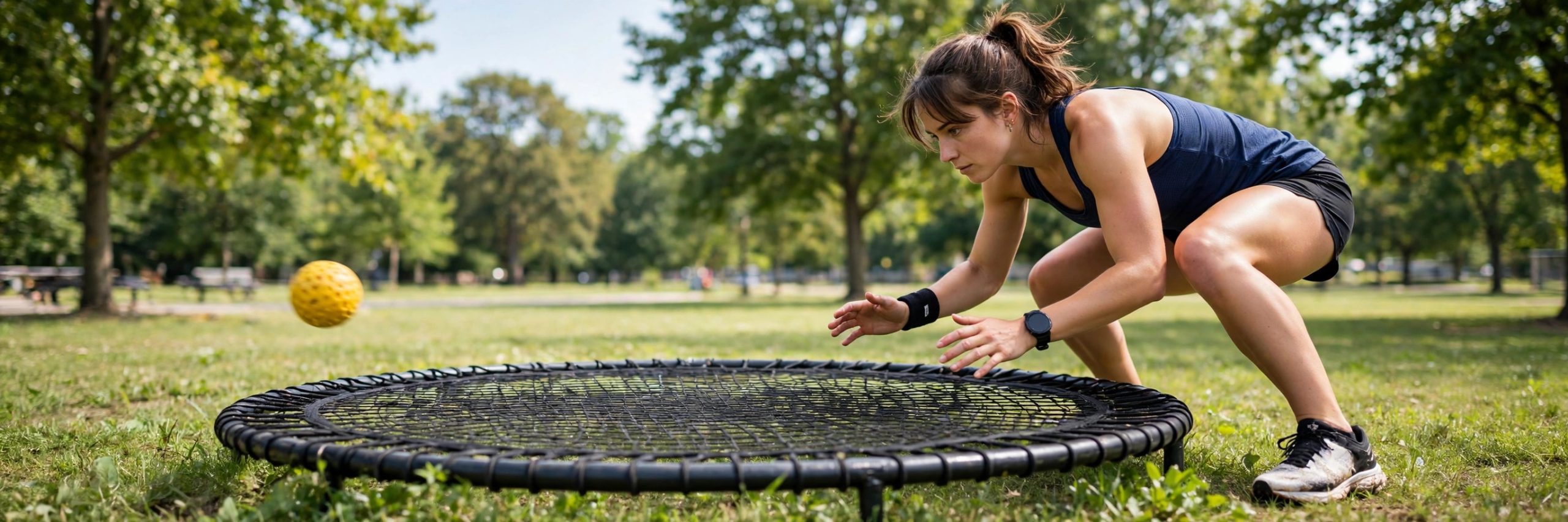
Receiving the serve is only the start. Your spikeball positioning tips change once the rally is live. After your first touch, move toward the net if your touch was clean, and back off if it was not. Your partner needs space to set, not a crowd. The setter should stay close enough to reach the set without lunging. The hitter should take a short approach angle, not stand flat-footed waiting. If your touch goes wide, both players shift with it. Defending a smaller, angled court is better than guarding space the ball can no longer reach.
Defensive Positioning When the Other Team Is Hitting
Now you are defending a spike, not a serve. Split the court by angle, not by habit. One player guards the short, soft shot near the net. The other guards the hard-driven ball that travels farther. The exact split depends on where the hitter is standing. Watch the hitter’s shoulders and approach. A hitter running in from the side usually hits across their body or back the way they came, rarely in a straight line. Stay low and patient. Many defensive touches are lost because a player reaches early instead of letting the ball come to their hand.
Common Spikeball Positioning Tips and Mistakes
These are the mistakes we see most often in beginner games: Standing next to your partner: you cover the same ball twice and leave the rest open. Standing too close to the net: everything jams you, and you have no time to read spin. Never moving after the serve: good starting spots mean nothing if you freeze. Both players chasing the same touch: call the ball early and trust the call. Guarding lines that do not exist: roundnet has no sidelines, so defend angles, not a rectangle. Fix one mistake per game. Trying to fix all five at once usually fixes none of them.
A Simple Partner Communication System
Keep your calls short. Three words cover most situations. Say “mine” when the ball is yours, “yours” when you are leaving it, and “switch” when you and your partner need to trade sides during a rally. Between serves, use one sentence to reset: who takes short, who takes deep, and what serve you expect. That small routine is the real secret of good spikeball defense positioning. Two average athletes who talk will out-defend two faster players who guess. Practice it in casual games first, until it is automatic.
Frequently Asked Questions
Where should you stand to receive a serve in Spikeball?
Stand about a step behind where the serve will leave the net, knees bent and hands up, with your partner beside the net rather than beside you. Give yourself room on your hitting side for cut serves, and stay close enough to reach a drop serve without diving forward.
How do partners split defensive positioning in Spikeball?
One partner takes the short ball near the net and the other covers the deeper ball. Decide that split before the serve, shift together when the first touch goes wide, and use short calls like mine, yours, and switch so you never chase the same ball together.
How do you defend a cut serve in Spikeball?
Give the ball room to finish moving. Step toward the spin instead of reaching across your body, keep your touch in front of you, and have your partner shift a step in the same direction, because cut serve touches often pop sideways off your hand.
What is the best defensive stance in Spikeball?
Stay low with knees bent, weight on the front of your feet, and hands up in front of your chest. That stance lets you move forward for drop serves, sideways for cuts, and back for power serves without first having to stand up or uncross your feet.
Why do I keep getting beaten by drop serves?
You are probably starting too far from the net or standing too upright to move forward quickly. Creep half a step closer against servers who use the drop often, lean slightly forward, and ask your partner to call the drop as soon as they see a softer swing.
Final Thoughts
Start in a balanced home base, protect your hitting side on the serve, split short and deep with your partner, and keep moving after the first touch. Do that, and spikeball defense positioning stops feeling like guessing. You will still get beaten by great serves sometimes, but you will stop giving away the easy ones.

Complete Guide to the History of Spikeball

Spikeball Drills for Two Players: Passing, Setting and Spiking Practice