Cooperative Board Games Families Love for Team Play7 min read
Cooperative Board Games Families Love for Team Play
Somebody in every family hates losing to a sibling, and that somebody can sink a whole game night. Cooperative board games for families fix the politics before they fix the gameplay: the table wins together or loses together, so the argument is with the game, not with each other. In our house we play a lot of board games with my kids, who are 9 and 7, and the team games are the ones that end with everybody still talking. The clearest example on our shelf of the genre’s appeal is Pandemic, where 2 to 4 players cure diseases as a team in about 45 minutes.
At a Glance: Cooperative vs Competitive at a Family Table
| Question | Cooperative games | Competitive games |
|---|---|---|
| Who do you beat? | The game system | Each other |
| Tears risk with young kids | Low; losses are shared | Higher; one kid loses alone |
| Teaching a new game | Easy; everyone can help openly | Slower; help leaks strategy |
| Best moment | The whole table cheers or groans at once | One player’s big comeback |
| Watch out for | One player running the whole table | Runaway leader, kingmaking |
Why playing as a team changes the night
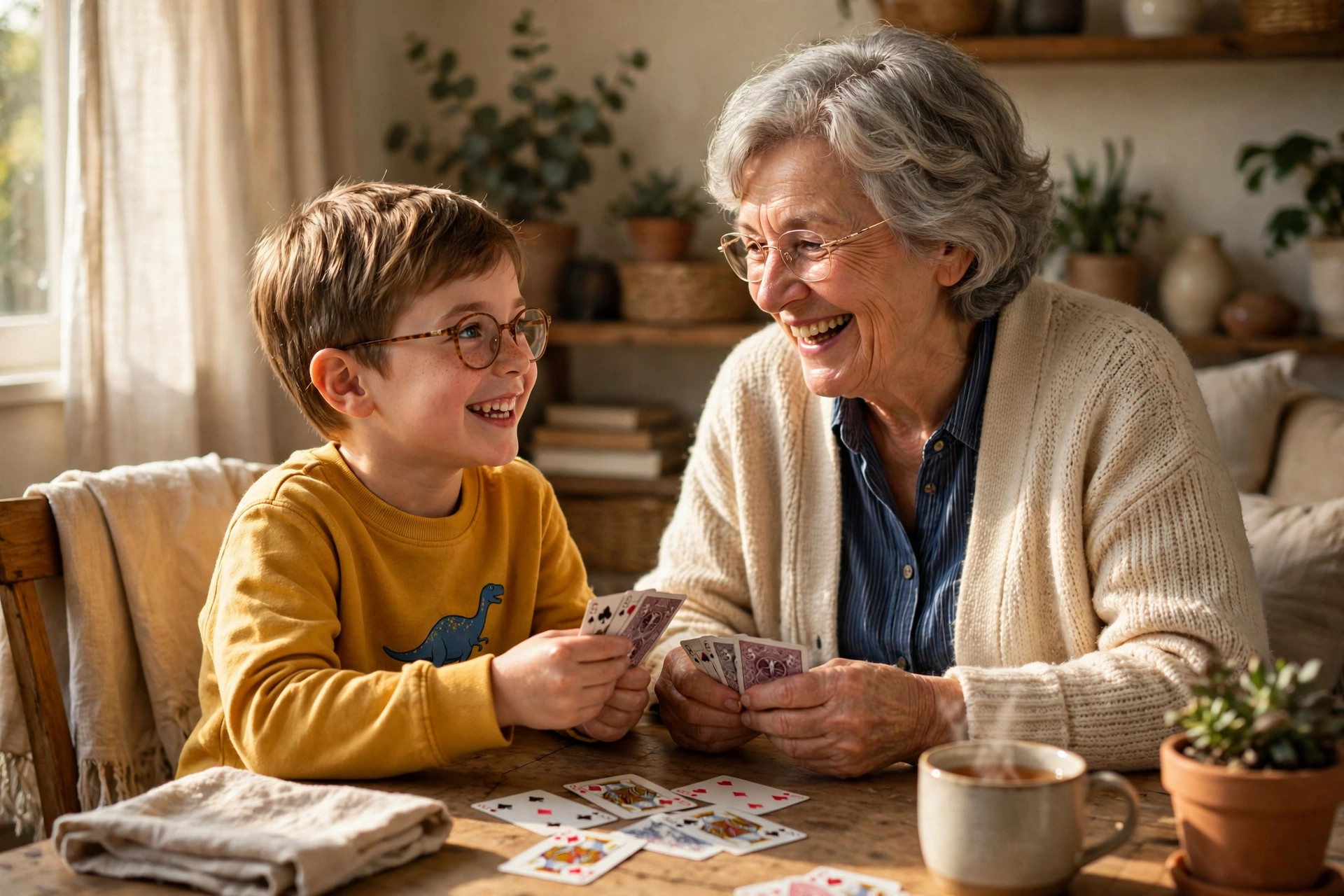
In a competitive game, an experienced parent has two bad options: play properly and crush the kids, or hold back and get caught doing it. A cooperative game removes that problem completely. I can play at full strength, think out loud, and let my kids overrule me, and the game still pushes back. The shared puzzle is also why these games teach well: hands can stay open, plans get said out loud, and a 7-year-old can spot the move the adults missed because nobody is hiding anything.
The one real problem: quarterbacking
One player, usually the most experienced, starts directing every turn, and the game turns into one person playing with extra hands. It is the known weakness of the format, and it is a table habit, not a game flaw. Three fixes work in our house. The active player makes the final call on their own turn, full stop. Advice is given as a question (“what happens if the fire spreads first?”) instead of an instruction. And younger kids get a job with real authority, like tracking the threat track or drawing the event cards, so their attention stays in the game between turns.
What to pick by age
Ages 5 to 7. Look for short games with no reading, one shared goal, and pieces kids can move themselves. Memory and matching mechanics work well at team scale; our memory matching games for adults page shows how the same mechanic stretches for older players, and the kids’ version plays happily as a team against a move limit.
Ages 8 to 10. This is the sweet spot for a first real cooperative strategy game. Pandemic board game strategy for beginners is written for exactly this jump: roles with special abilities, a map to argue over, and a difficulty dial (the number of Epidemic cards) you can set to introductory while the table learns. Our Pandemic board game review gives the buying take.
Ages 11 and up. Add campaign and legacy-style games, hidden-information co-ops where each player knows something the others don’t, and harder scenarios of the games you already own before you buy anything new. Difficulty settings are the cheapest content in board gaming.
How to run a cooperative game night well
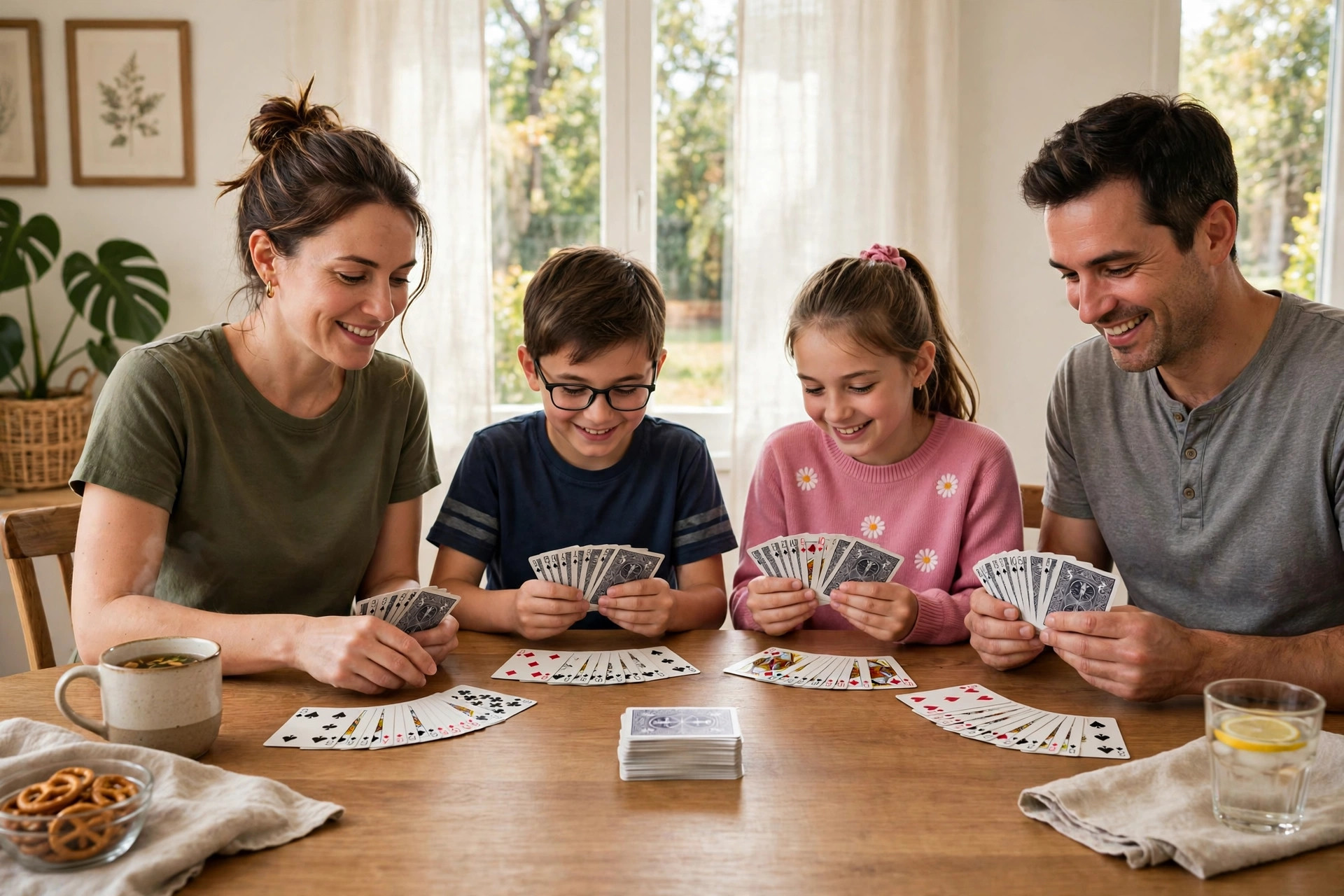
Set the difficulty one notch below what you think the table can beat. A first win by a small margin teaches more and gets the game back to the table sooner than a heroic loss. Keep the rules teaching under five minutes by teaching the goal, the turn, and the loss condition, then starting; details land better mid-game when they matter. Finish by naming the moment the game turned, win or lose. That thirty-second recap is where kids do their best strategic talking, and it is the part of the night they repeat at breakfast.
If your group is mostly adults some nights, the rotation changes: our family card game night plan mixes cooperative and competitive games across an evening, and best card games for two players covers the nights when it is just two of you.
When competitive is still the right call
Cooperative games are not better games, they’re a better fit for certain tables. Kids also need to practice losing to a person gracefully, and plenty of families run fine on competitive staples; we play Catan and Monopoly as a family too, arguments included. My split: cooperative when someone is tired, new, or young enough that a solo loss ends the evening; competitive when the whole table is rested and asking for a rematch.
Frequently Asked Questions
what are cooperative board games
Cooperative board games are games where all players work as one team against the game itself, and everyone wins or everyone loses together. Instead of competing for points against each other, you share information, plan moves together, and beat a system of timers, threats, or puzzles built into the rules.
what is a good first cooperative board game for a family
I’d start with a game that plays in under an hour, has open information so you can teach as you go, and has an adjustable difficulty. Pandemic at its introductory setting is the classic pick for kids around 8 and up: real decisions, a clear goal, and you can make it harder as your family gets better.
are cooperative board games good for kids
Yes, especially for kids who take losing hard or are learning a heavier game. Because the loss is shared, nobody gets singled out, and because hands and plans are open, adults can coach in the open without ruining anyone’s strategy. The skill to watch is one player directing everyone else’s turns.
how do you stop one player controlling a cooperative game
Give the active player the final say on their own turn and make it a house rule nobody argues with. Ask questions instead of giving orders, and give younger players a real job between turns, like running the threat track. If one adult still quarterbacks, rotate who explains the plan each round.
Beat the Game, Not Each Other
That’s the pitch, and on the right night it’s not a small thing. Pick a team game when the table needs a shared enemy, set it a notch easy, guard the youngest player’s turns, and let the game do the losing for once.

Best Two-Player Board Games for Couples and Travel

Memory Matching Games for Adults and Harder Variations